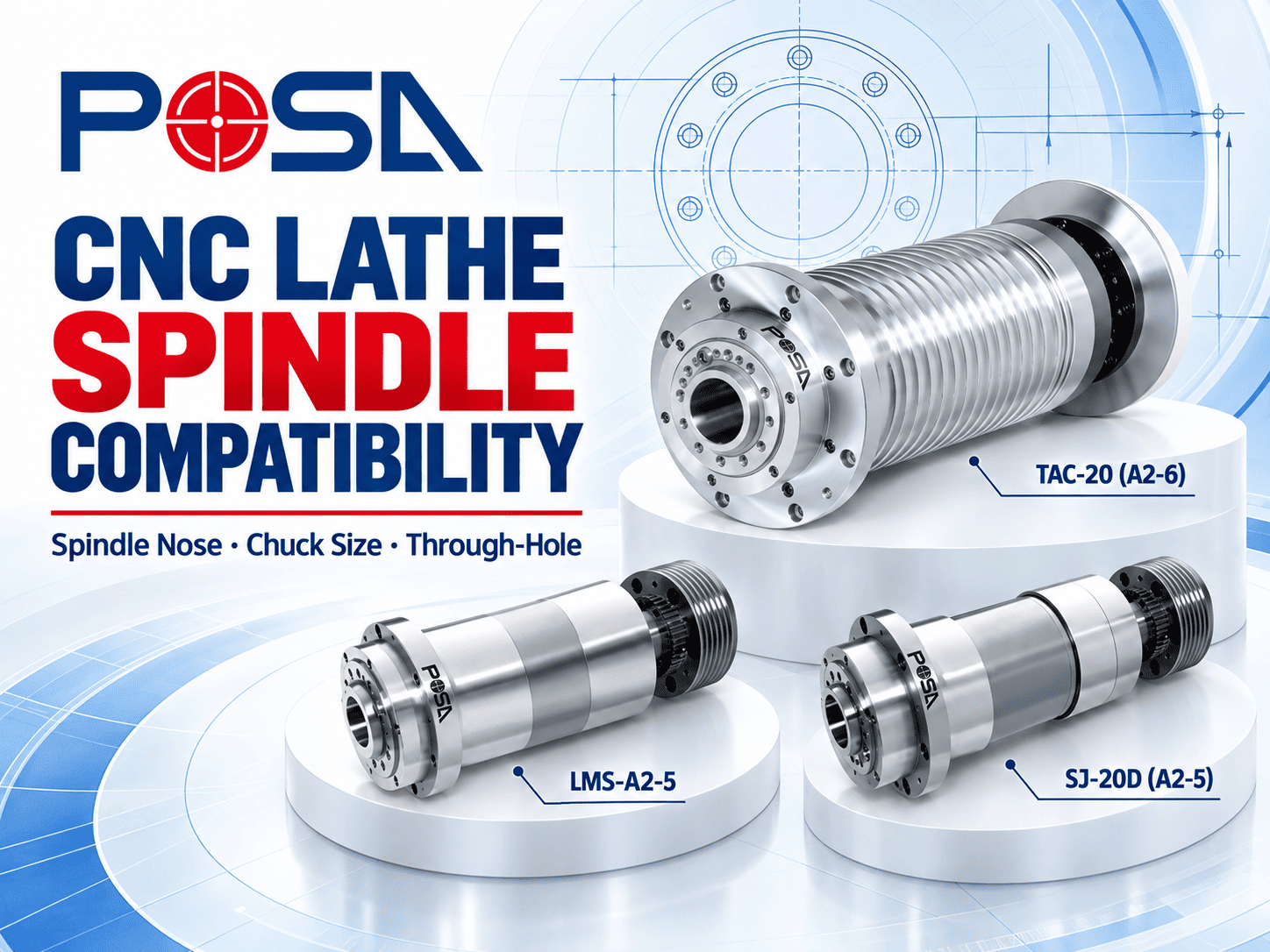
Selecting a CNC lathe spindle requires more than matching speed or chuck size. This guide explains how spindle nose types, chuck interfaces, through-hole diameters, drawtubes, and actual bar capacity work together. Compare POSA LMS built-in spindles with TAC and SJ-20D belt-drive models to identify the right spindle configuration and avoid costly compatibility issues before machine design or procurement.
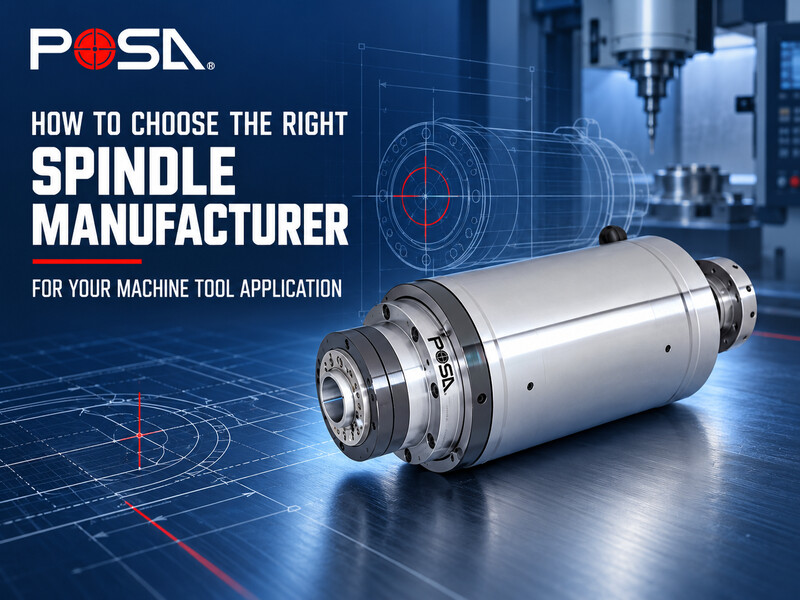
Choosing a spindle manufacturer involves more than comparing speed, power, and price. Learn how to evaluate application fit, spindle specifications, customization, quality verification, and RFQ requirements to find the right partner for your machine tool project.
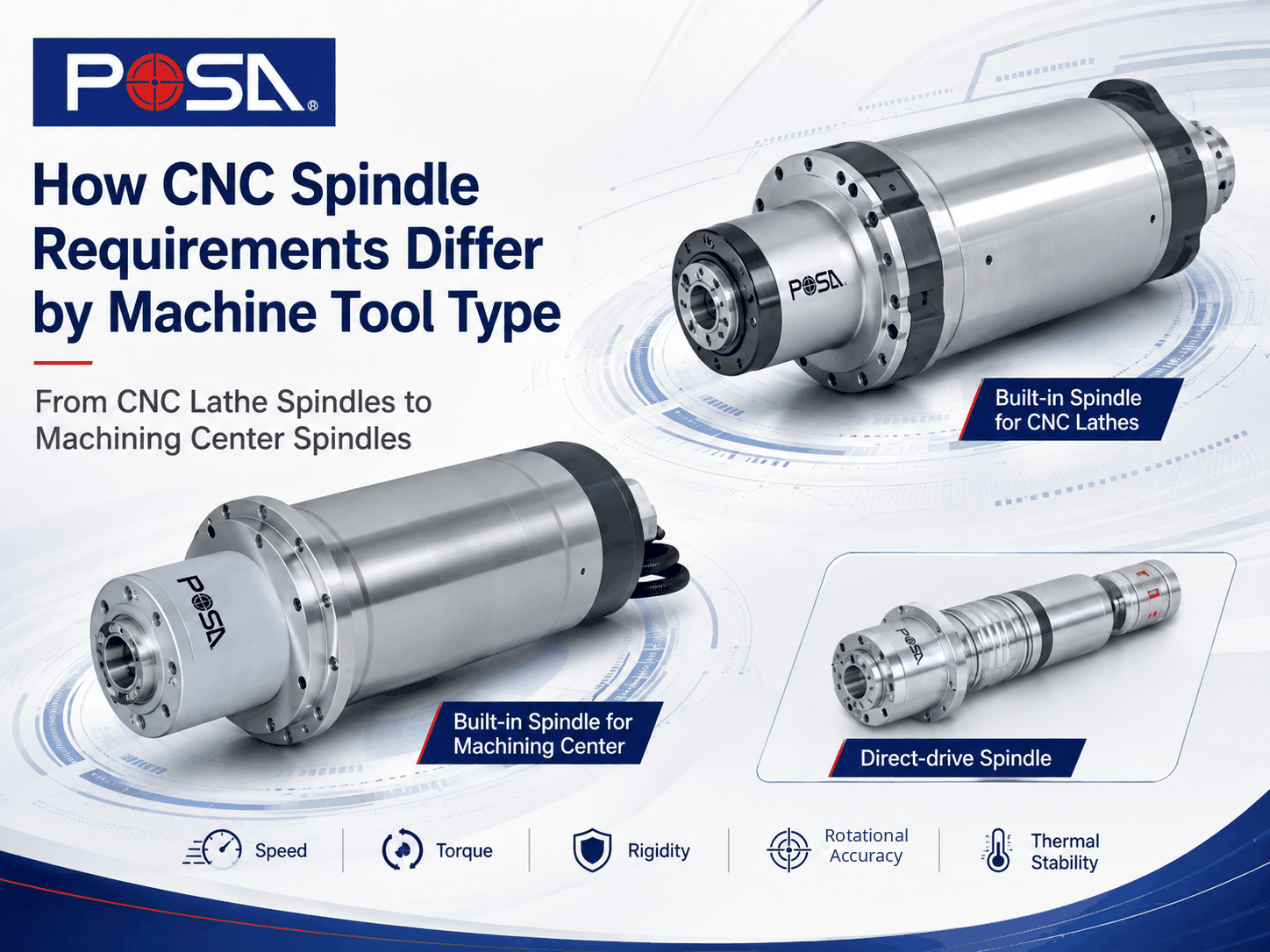
Different machine tools demand different spindle performance. This article explains how CNC lathe, machining center, grinding, boring & milling, and turning-milling applications differ in speed, torque, rigidity, accuracy, vibration, and thermal stability—and what machine builders should define before discussing spindle requirements with POSA.
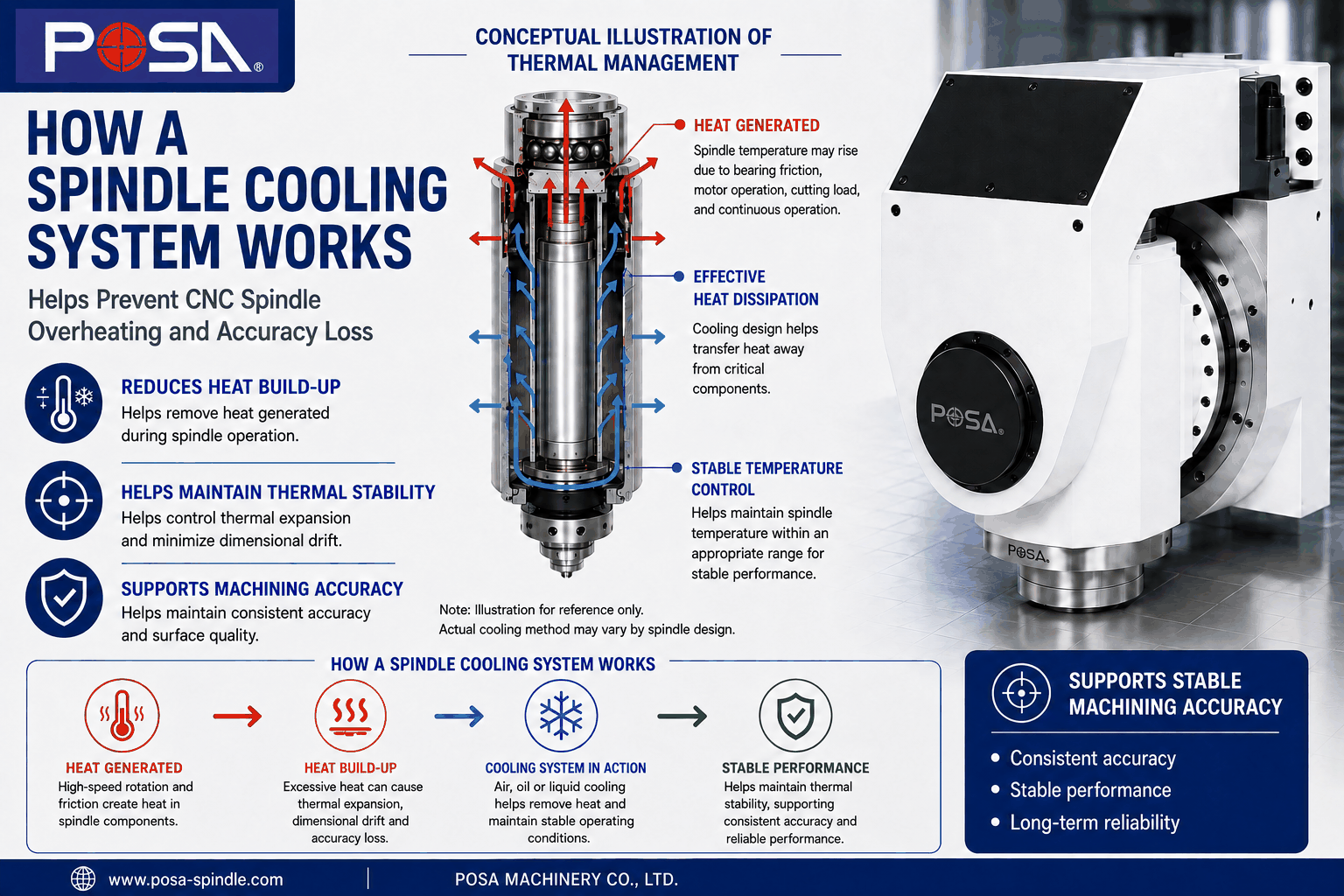
Learn how a spindle cooling system helps prevent CNC spindle overheating, reduce accuracy loss, and improve long-term machining stability.
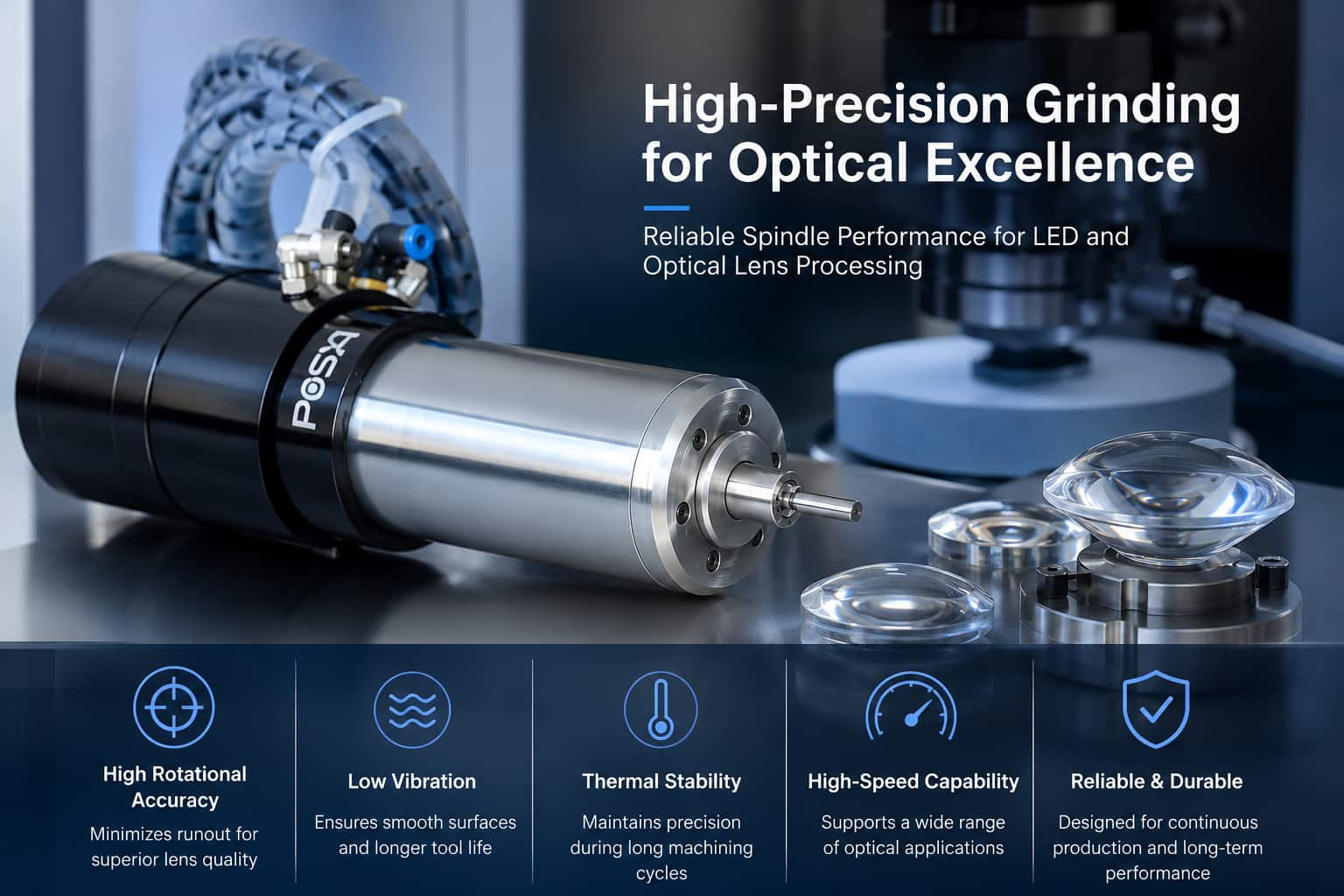
Unlike general metal machining applications, optical lens processing places extremely high demands on surface quality and dimensional accuracy.
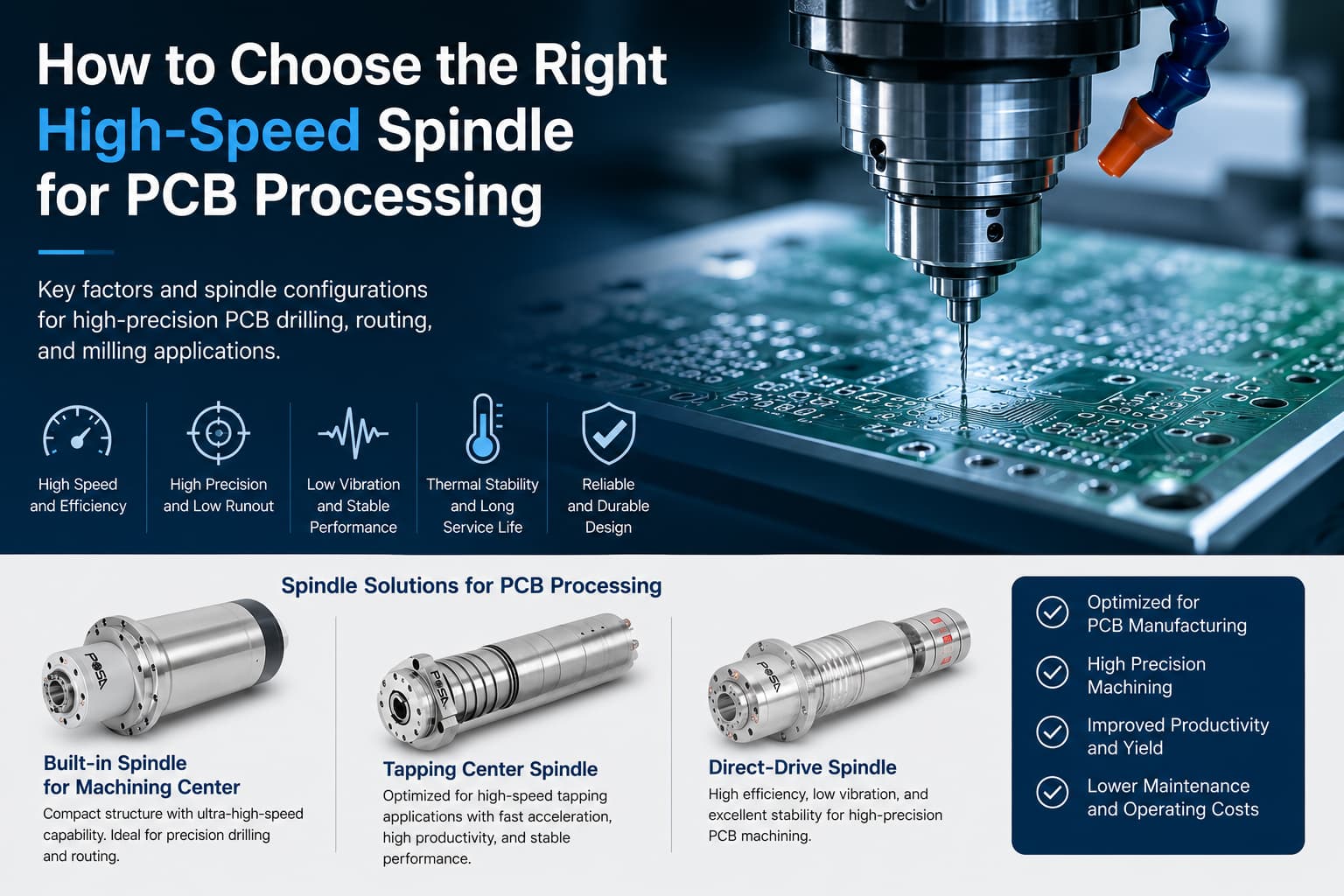
As PCB designs continue to become smaller, denser, and more complex, manufacturers are placing greater demands on machining accuracy and production efficiency. In PCB processing applications such as drilling, routing, and precision milling, spindle performance plays a critical role in determining machining quality, productivity, and long-term operational stability.
This site uses cookies to improve your browsing experience. we'll assume you're OK to continue. If you want to read more about this, please check PRIVACY thank you.